SMS is a proactive approach to collecting data across the airfield and then managing that data in a safe and efficient manner to reduce risk.
We provide your staff with the tools to capture all SMS inputs, including but not limited to:
We then take all of that data in-house and manage it at TAAS Headquarters. We collect and manage both reactive inputs, such as issues arising from daily inspections, and proactive inputs, such as annual manual reviews. We manage all of this data, including your manuals to reduce risk across your operation.
Essentially, we’re bringing our SMS expertise to your airport without you having to bear the cost of employing an in-house SMS expert. By sharing that expertise across a multitude of airports, we’re able to deliver an SMS that is more effective, safer, and more cost-effective than managing it in-house.
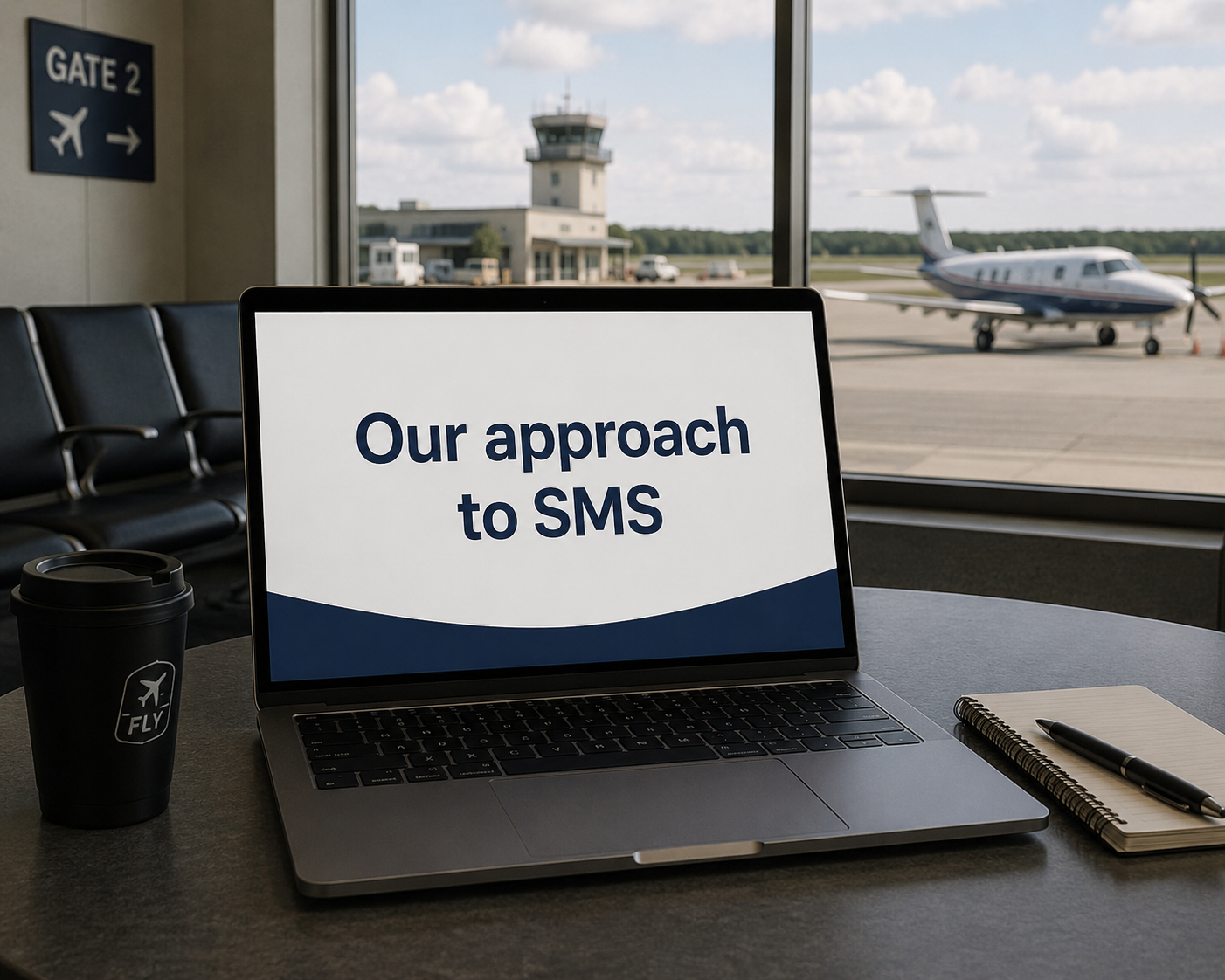
To ensure objectivity and regulatory integrity, our SMS Audit Team operates independently from the team responsible for developing, implementing, and managing your Safety Management System. This separation provides an unbiased assessment of your SMS, ensuring audits are conducted with complete impartiality and free from operational influence. By maintaining this independent oversight, we provide airports with transparent evaluations, meaningful recommendations, and confidence that their SMS is not only compliant, but continuously improving in accordance with industry best practices.
Primary Manuals required by Transport Canada are as follows:
a. Airport Operations Manual (AOM)
Defines day-to-day airport operational procedures, roles, and responsibilities to ensure safe and efficient operations.
b. Safety Management Manual (SMM)
Outlines the airport’s Safety Management System, including safety policy, hazard reporting, risk management, and continuous improvement processes.
c. Emergency Response Plan (ERP)
Establishes procedures for responding to emergencies to minimize risk to life, property, and airport operations.
d. Snow Removal and Ice Control Plan (SRICP)
Details winter maintenance procedures to ensure safe aircraft movement areas during snow and ice conditions.
e. Reduced Visibility Operations Plan (RVOP)
A Reduced Visibility Operations Plan (RVOP) establishes the procedures and operational controls required to safely manage aircraft and vehicle movements when visibility falls below RVR 2,600 ft.
f. Wildlife Management Plan
Identifies and manages wildlife hazards to reduce the risk of wildlife strikes and enhance airside safety.
Secondary Manuals are there to support practical day-to-day operations and may include the following:
a. Accountable Executive Manual
b. Airport Manager Procedures Manual
c. NOTAM Publication Manual
d. Wildlife Management Procedures and Records Manual
e. SMS Committee Manual
f. Staff Training Manual
g. Preventative Maintenance Manual
Standard Operating Procedures provide your staff with the tools to efficiently and safely undertake all of their activities and include, but are not limited to:
Development of a structured task calendar to ensure safety-critical inspections, training, reporting, and maintenance activities are completed on time and documented.
Analyze safety data twice annually to identify emerging trends, recurring hazards, and areas for improvement. Conduct an annual management review to evaluate overall SMS performance, assess the effectiveness of corrective actions, and establish safety priorities and objectives.
Independent evaluations of the SMS to assess effectiveness, regulatory compliance, and opportunities for improvement.
We recognize that SMS is also an excellent tool to determine where best to implement your capital resources.
All airports are required to have either a clear Runway Strip or a Runway End Safety Area (RESA) at each runway. When we think about using SMS as a tool to manage capital resources, we recognize that a RESA located behind a departing aircraft has no benefit to the departing aircraft. However, if we could utilize it for takeoff, we could increase both safety and efficiency.
Using the principles of Safety Management Systems, we developed a comprehensive safety case that demonstrated how the RESA, located behind departing aircraft and therefore not utilized during take-off operations, could be safely incorporated into an Initial Take-Off Area (ITOA). Through a detailed risk assessment and collaboration with Transport Canada, we showed that allowing aircraft to begin their take-off roll within this previously unused area would improve safety by increasing the available TORA, TODA, and ASDA. The result was greater take-off and accelerate-stop distances, providing pilots with additional safety margins while maximizing the use of existing airport infrastructure.
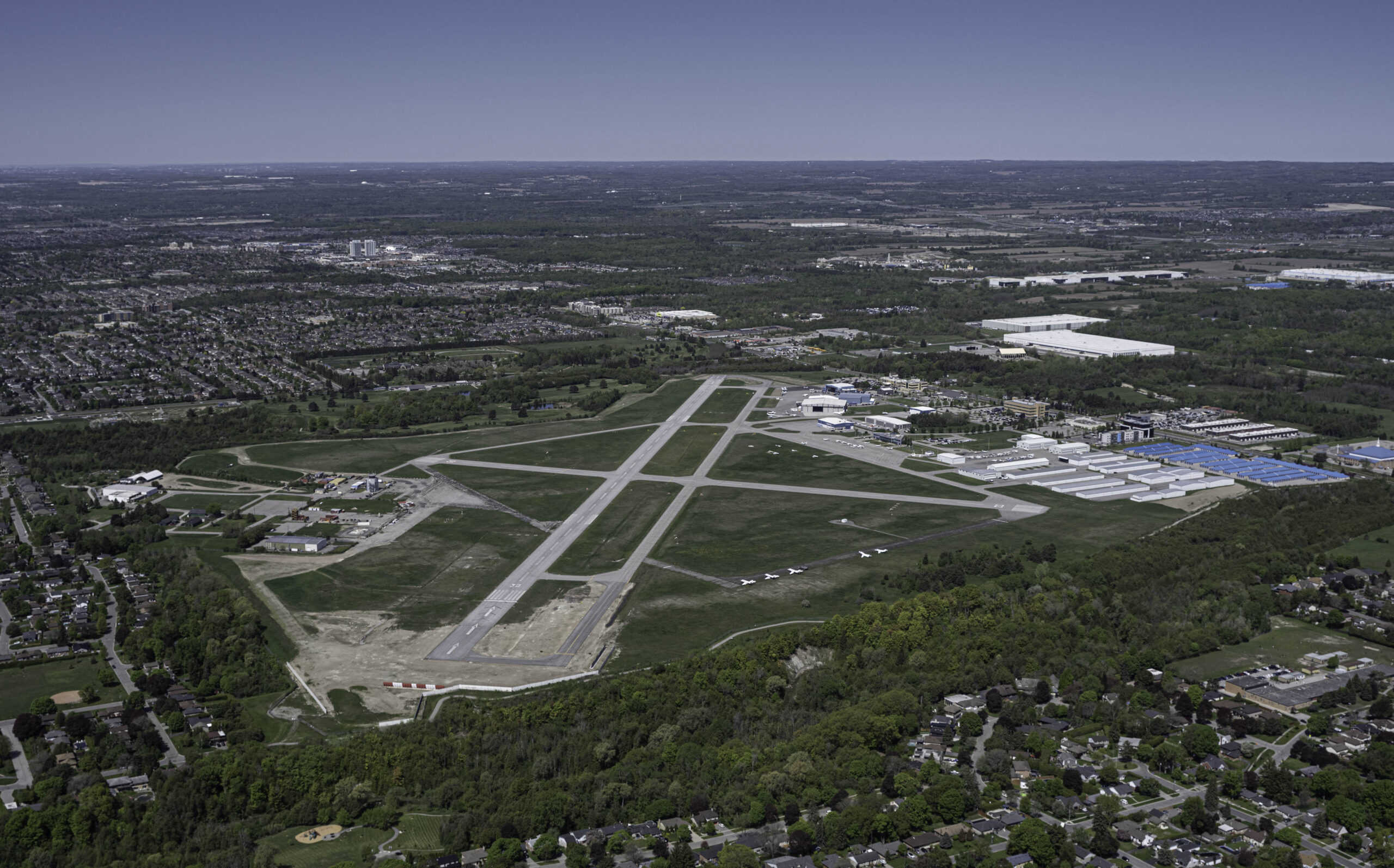
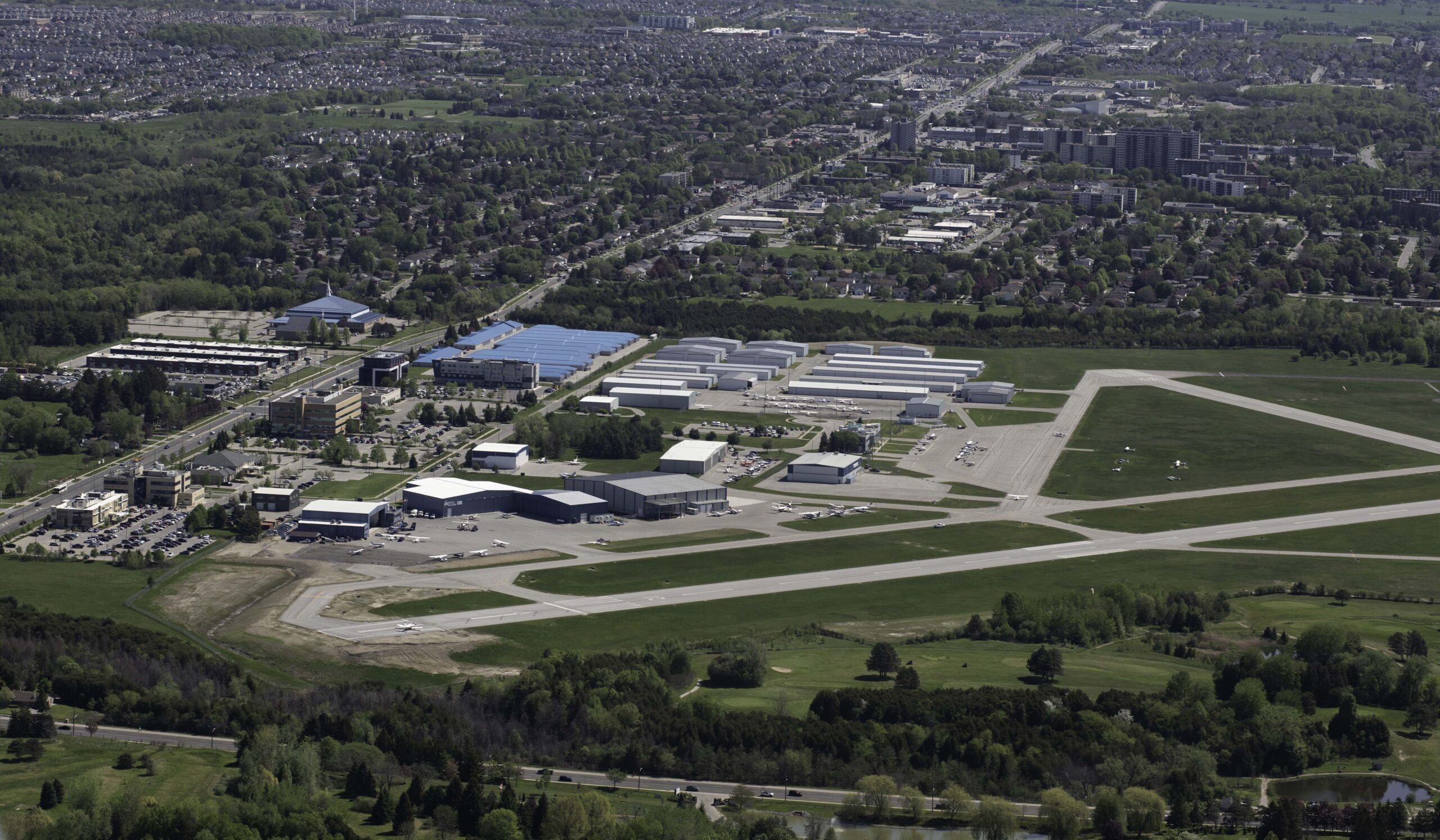
To support the implementation of the ITOA, we also developed an innovative airfield lighting and marking solution through the SMS process. A combination of red and blue bi-directional lights along with specific markings was designed to clearly delineate the ITOA from the RESA, providing pilots with clear visual cues while preserving the safety function of both areas. This project demonstrates how SMS can be used to identify opportunities, assess risk, develop effective mitigations, and deliver innovative solutions that enhance both safety and operational performance.
This type of SMS approach to capital management can be used to determine when best to replace your fleet, when best to make improvements, when best to invest in your runway, and when best to invest in growth.

Your one-stop solution for cost-effective SMS. Let us do the work, so you can focus on running your airport.
1200 Airport Blvd,
Suite 200
Oshawa, Ontario
L1J 8P5
Copyright ©2026 Total Aviation & Airport Solutions. All rights reserved.
Website design by: Cyrux Smart Solutions Inc.